THE ACADEMIC GENESIS
RIGOR AT BELL LABS
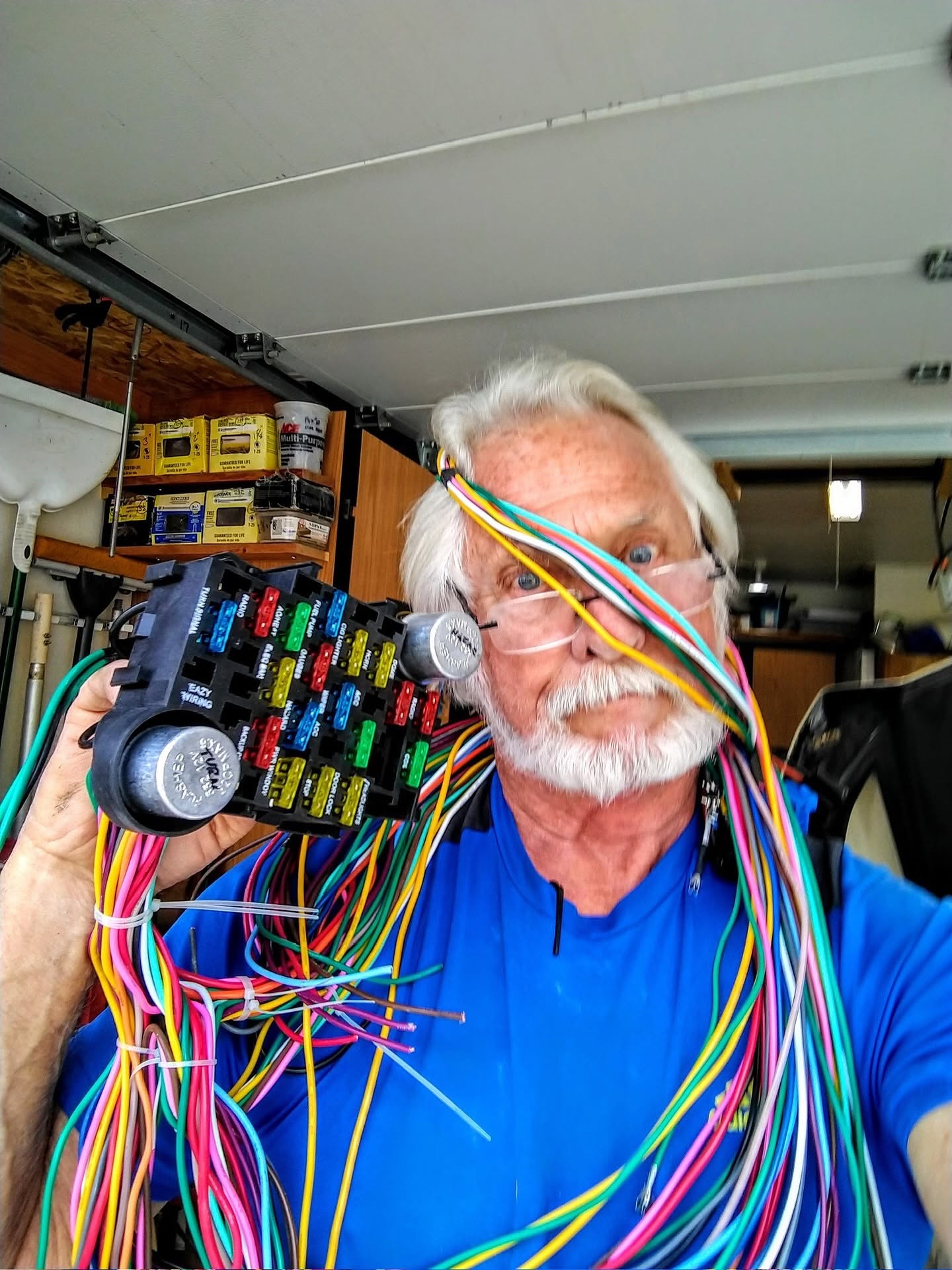
Before Don Davis was known on Southern California track days or in the classic Ford registry, he spent his career at Bell Laboratories. Working as a nuclear physicist, Don investigated atomic structural behavior, mechanical tolerances, and thermal radiation metrics. The environment at Bell Labs, which fostered some of the twentieth century's most significant engineering breakthroughs, instilled in Don a core methodology: that every physical anomaly can be calculated, structured, and solved.
In the late 1960s, this academic rigor transitioned into his garage. Don realized that the dynamics of high-performance racing cars are not defined by subjective feel, but by the clean constraints of fluid mechanics, thermodynamics, and force vector geometry.
THE MASTER BUILDER
FROM THE GROUND UP
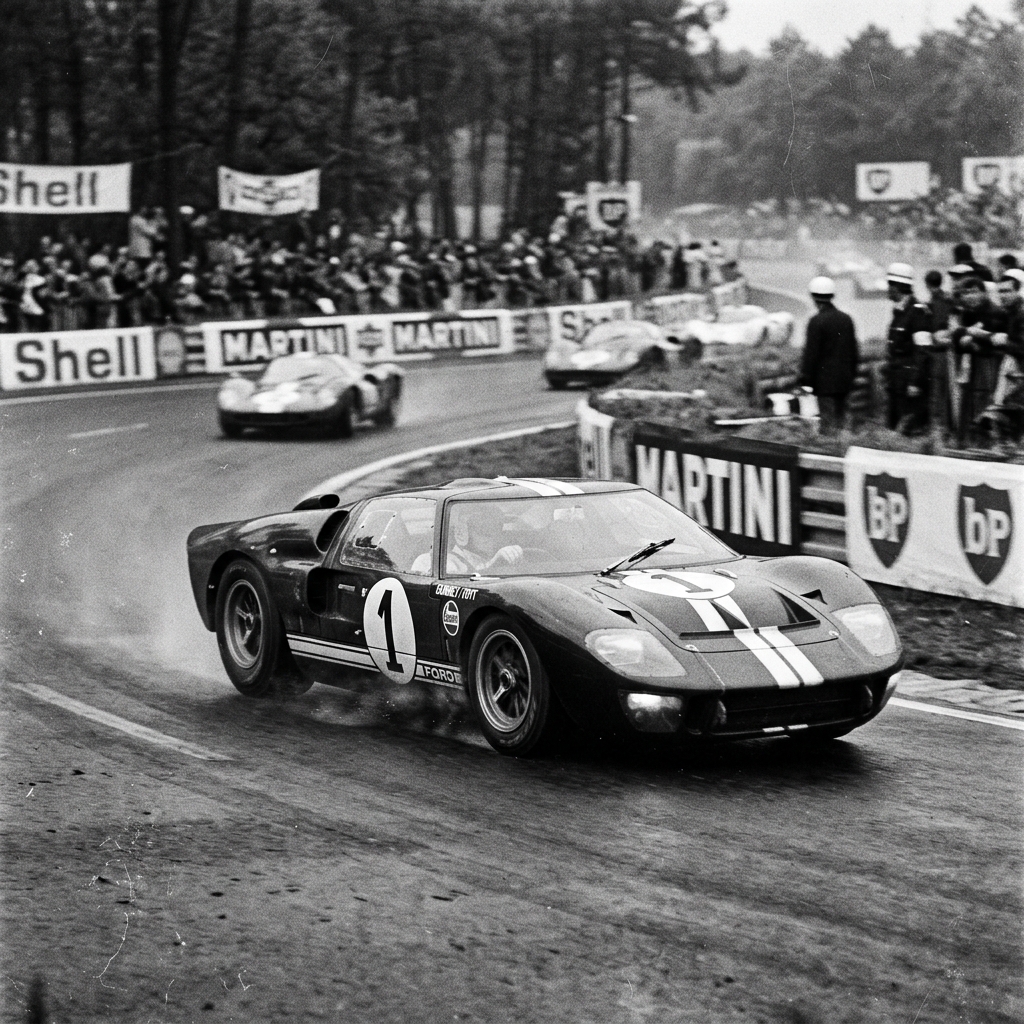
This mathematical mindset guided his famous 19-year restoration of the Ford GT40 Mk2 Chassis P/1012. Sourcing a replacement monocoque chassis tub flown from FAV in England, Don spent nearly two decades measuring tolerances down to thousandths of an inch. His work mirrored Holman & Moody and John Wyer racing specifications, preserving Daytona history in absolute detail.
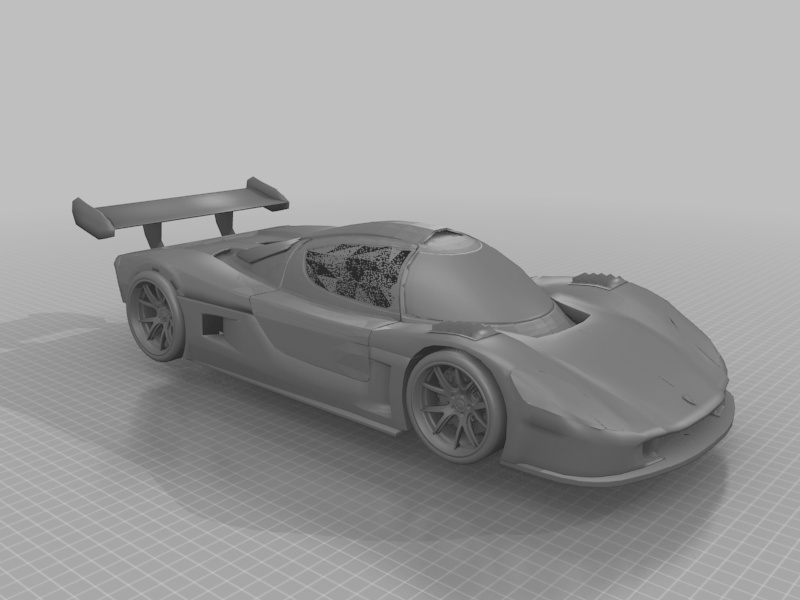
Decades later, the culmination of this dual legacy manifests in his custom twin-turbo Superlite SLC. TIG-welding the aluminum chassis tub, calculating the pushrod suspension geometry roll centers, and laying out double gold barrier aerogel foils to combat turbo exhaust heat radiation, Don applied the "Quantum Method" to build a street-legal vehicle to aviation tolerances.